Unreal Engine 5 Portable Info
MirrorShowing 1–1 of 1
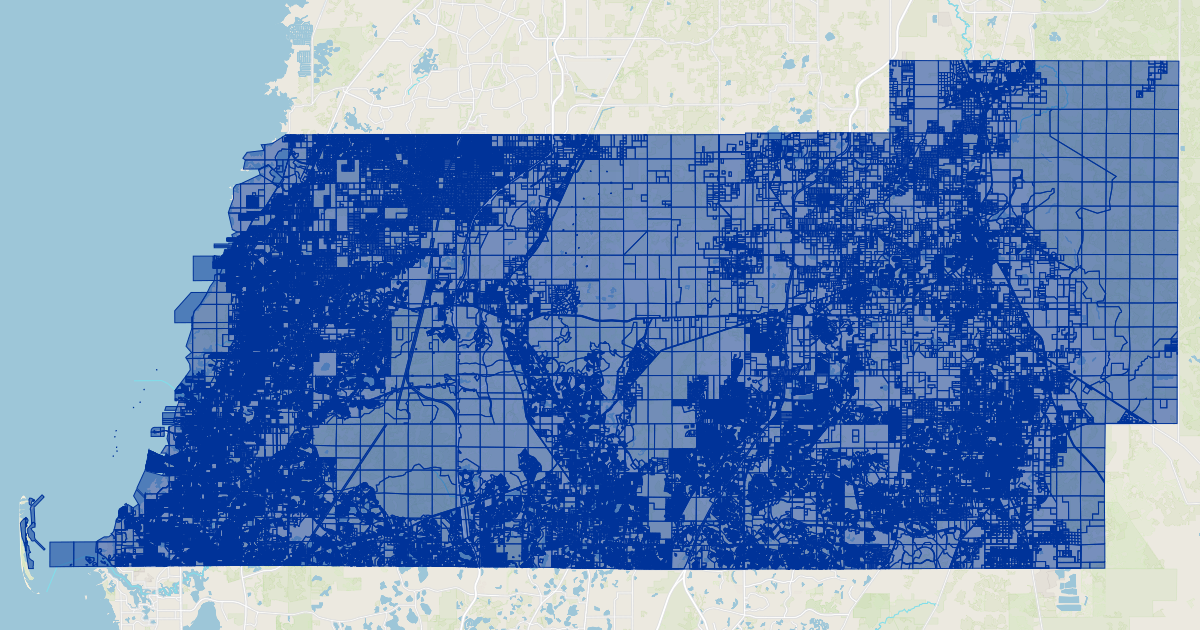
Polygon Layer294.1K Polygons
Pasco County, Florida
MirrorCopyright may apply
Previous searches
© Protomaps © OpenStreetMap

A “portable” Unreal Engine 5 setup can be very useful for demos, travel, and flexible workflows, but it’s not a drop-in replacement for a full local installation. With the right external SSD, host preparation, and build strategy, you can maintain a reliable portable development environment and ship compact, portable builds—just plan for host dependencies, performance trade-offs, and engine version management.
| Issue | Workaround | |-------|-------------| | | Many tools (VS integration, Perforce) expect installed engine registry keys. Use UnrealVersionSelector to register manually. | | Shader compilation stutter | Shader cache is per GPU/driver. On new PC, expect compilation delays. Move DerivedDataCache to external drive if sharing between same GPU models. | | Windows SDK version mismatches | Ensure target PC has the same VS build tools + Windows SDK as original (check WindowsTargetPlatformVersion in project settings). | | USB speed bottleneck | A slow USB flash drive (even USB 3.0) will cause hitches. Use an external NVMe enclosure (10 Gbps) or Thunderbolt SSD. | unreal engine 5 portable
(adjust paths):
By navigating to Engine\Binaries\Win64 and running UnrealEditor.exe , the engine can often start without even opening the Epic Games Launcher. A “portable” Unreal Engine 5 setup can be
: Create content (items, mechanics, maps) that the core game is unaware of. Use UnrealVersionSelector to register manually


