///
behringer bca2000 driver for pc windows 10 x64 exclusive
Behringer Bca2000 Driver For Pc Windows 10 X64 Exclusive //top\\ -

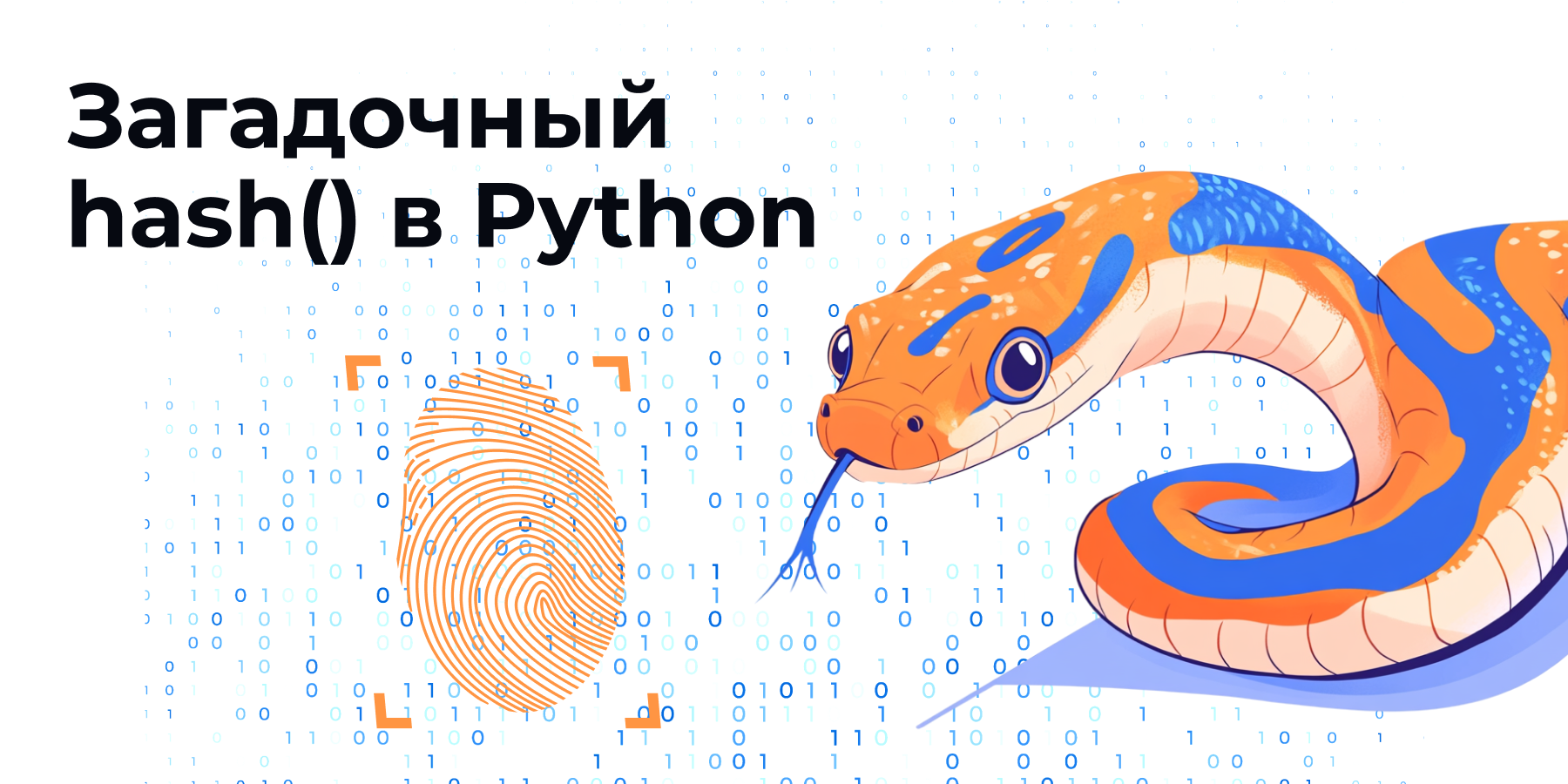
Функция hash() в Python позволяет вычислять хеш-значения для различных объектов. Обычно для целых чисел хеш совпадает с их значением, но есть исключения, которые могут удивить даже опытных программистов.
Разбираем, почему hash(-1) и hash(-2) в CPython возвращают одинаковое значение. Рассмотрим особенности работы hash(), внутреннюю реализацию хэширования целых чисел и причину специальной обработки -1.
Вопрос:
Что выведет функция hash() для следующих значений: 1, 0, -1, -2?
However, the device is not entirely "e-waste." Here is the exclusive breakdown of how to get it working, the limitations, and the final verdict.
| Symptom | Likely Cause | Exclusive Fix | | :--- | :--- | :--- | | Device installs but no sound output | Windows is using the wrong audio endpoint | Go to Sound Control Panel → Playback → Disable all other devices. Set BCA2000 as Default. | | Crackling/popping at 48kHz | FireWire bandwidth issue | Lower to 44.1kHz via the community control panel. Also, reduce the ASIO buffer size to 256 samples. | | Blue screen (BSOD) on startup | Legacy FireWire + old .sys file | Boot into Safe Mode. Run verifier /reset . Then reinstall the legacy 1394 driver from Phase 2. | | "Device cannot start (Code 10)" | Conflicting IRQ with GPU or network card | Move your FireWire card to a different PCIe slot (preferably one that doesn't share an IRQ with your x16 GPU slot). | | MIDI not working | Filter driver conflict | In Device Manager, under "Sound, video and game controllers," manually set the BCA2000 MIDI driver to start "Demand" instead of "Auto." | behringer bca2000 driver for pc windows 10 x64 exclusive
Behringer and some of its related brands are owned by Music Tribe. You might find the driver through their support site: However, the device is not entirely "e-waste
Ensure the unit is switched to the correct mode for your needs. Some users find better stability when using the unit strictly as a MIDI controller and routing audio through a separate, modern interface Troubleshooting Tips Compatibility Mode: | | Crackling/popping at 48kHz | FireWire bandwidth
hash() может показаться незначительной, важно помнить о ней при работе с хэш-функциями и структурами данных, основанных на хэшировании. В большинстве случаев вы не столкнетесь с проблемами, но знание этой детали поможет вам избежать потенциальных ошибок и лучше понимать внутреннее устройство Python.Ключевые выводы:
Для небольших целых чисел в Python используется оптимизация (интернирование).
hash(x) == x для большинства целых чисел, но hash(-1) == -2 из-за внутренней реализации и для предотвращения коллизий.
Это поведение является специфичным для CPython и может отличаться в других реализациях Python (например, PyPy).
Используйте == для сравнения значений и is для сравнения идентичности объектов.
Надеюсь, теперь эта загадка с hash(-1) стала немного понятнее!
hash(-1) всегда возвращает -2, поэтому hash(-1) == hash(-2).__hash__() в пользовательских классах.